August 18, 2026
In recent years, modular homes have increasingly caught the attention of home buyers looking for cost-efficient and environmentally friendly housing options. However, despite their growing popularity and advancements, several misconceptions continue to swirl around modular homes. From doubts about their durability to skepticism regarding their customization options, these myths unfortunately persist. This article delves into the most common myths about modular homes, providing clarity and busting these misconceptions once and for all.
Debunk Durability Concerns About Modular Homes
A prevalent myth is that modular homes are somehow less durable than their traditional counterparts. In reality, modular homes often adhere to the same building codes as site-built homes and even need to withstand the rigors of transportation. In fact, many builders exceed these standards to provide additional structural integrity. Modular homes are typically made from the same materials as traditionally built homes, and factory conditions allow for precise construction that minimizes human error, making them just as robust.
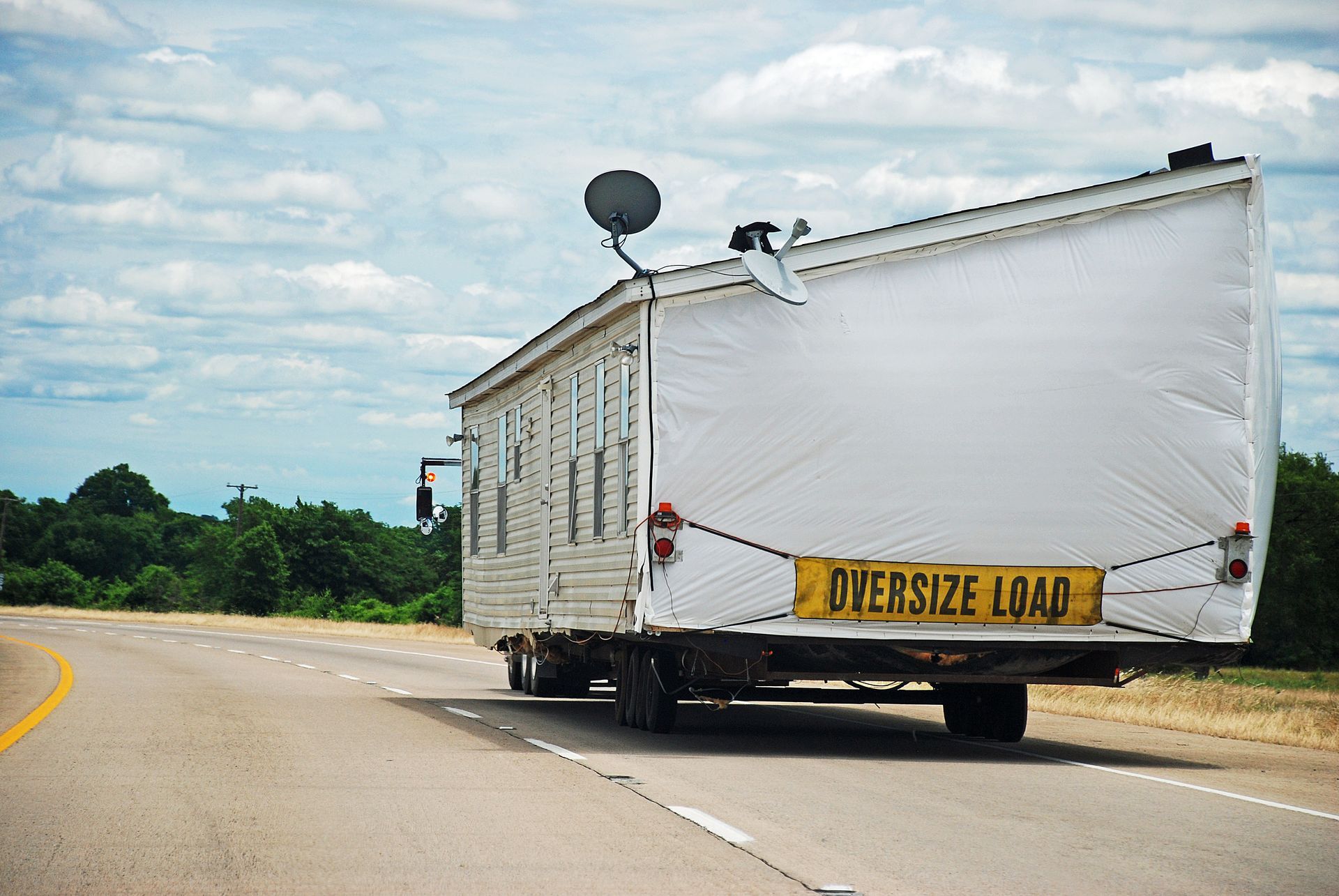
Furthermore, the transportation process of modular homes requires them to be sturdier than traditional homes to endure the journey from factory to site. According to NerdWallet, an online finance resource, modular homes are up to 90% complete when they leave the factory, containing almost everything needed for the final home. This level of completion indicates a tight quality control process that ensures longevity and resilience. As a result, many modular homes surpass site-built homes in terms of quality and durability.
The misconception about modular homes being less durable may stem from confusion with mobile homes, which have historically been less permanent in nature. It is crucial to note that modular homes are placed on permanent foundations, thereby enhancing their permanence. They must also comply with local zoning laws and environmental regulations, further ensuring their durability. All in all, when built properly, modular homes can last as long as, if not longer than, traditional homes.
Expand Customization Options Beyond Basic Designs
Another common myth is that modular homes follow a "cookie-cutter" model, offering little in the way of customization. This couldn't be further from the truth, as modern technology and evolving design strategies have facilitated a myriad of customization options. Modular homes can be designed to suit personal tastes and preferences, from layout alterations to high-end finish selections. Many manufacturers offer extensive libraries of design options to tailor modular homes to meet individual requirements and lifestyles.
The ability to customize is often just as extensive, if not more so, than with site-built homes. Potential buyers can choose everything from flooring and cabinetry to exterior finishes and energy-efficient fixtures. Builders work closely with clients to ensure that even the smallest details are considered, providing numerous options to achieve the desired appearance and functionality. Therefore, modular homes can be just as unique and personalized as any other housing option available on the market.
Additionally, factory construction allows modifications and upgrades to be integrated smoothly into the design process. Whether it's adjusting floor plans or adding extra rooms, modular homes can be tailored with flexibility and efficiency. As a result, these homes can meet increasingly specific demands from consumers while simultaneously providing cost savings and expedient construction timelines. The era of stereotypical, indistinct modular housing is rapidly evolving into a realm of customizable, modern living solutions.
Challenge Myths About Modular Home Resale Value
There is a persistent belief that modular homes don't hold their value, affecting their resale potential. Historically, mobile and manufactured homes may have suffered such a fate due to their transient nature and lack of adherence to local building codes. However, modular homes are constructed to the same standards as traditional homes and are fully capable of appreciating. In many cases, well-maintained modular homes offer resale values comparable to site-built homes on the market.
Resale value largely depends on factors such as location, condition, and market trends rather than the origin of construction. Modular homes, by virtue of their high construction quality and adherence to local standards, have dispelled older stereotypes about depreciation. Potential homebuyers understand the value of sound construction, and the stigma once associated with modular housing is fading. As more people prioritize affordability and quality, the demand and value of modular homes continue to rise.
Moreover, the flexibility and modern aesthetics of modular homes appeal to a wide range of buyers, increasing their desirability in the real estate market. With modular homes' ability to accommodate energy-efficient features and contemporary design elements, they often attract environmentally conscious and style-minded buyers. As these aspects gain attention in property evaluations, the perception of modular homes is evolving from disposable structures to esteemed, desirable properties. Thus, modular homes are proving to be a sound investment for today's homeowners.
Reduce Environmental Impact Through Modular Construction
Environmental concerns are driving many people to evaluate the impact of their housing decisions, leading to the myth that modular homes might not be eco-friendly. Contrary to this belief, modular homes offer several advantages over traditional homes in reducing ecological impact. The controlled factory environment of modular construction ensures reduced waste and optimized resource use. With specific measurements, builders can build precisely, minimizing material surplus and excess waste commonly seen in traditional construction.
Additionally, modular homes have the capacity to integrate energy-efficient options and sustainable building materials, aligning with modern green building principles. It is common for modular homes to install energy-efficient windows, utilize sustainable insulation, and incorporate solar readiness. Due to these offerings, modular homes can achieve impressive ratings in energy efficiency, reducing utility costs and promoting sustainability. As sustainable living continues to be a priority, modular homes will likely benefit from enhanced consumer recognition.
The environmental benefits of modular homes extend beyond energy and resource efficiency. These homes significantly reduce construction timelines, which cuts down on energy consumed during the building process compared to traditional methods. Fewer trips to construction sites lead to reduced fuel consumption and lower emissions, resulting in a smaller carbon footprint. Thus, choosing a modular home can represent a deliberate choice for sustainable living without sacrificing modern comforts or personal style.
Explore Flexible Placement Options for Modular Homes
A common misconception is that modular homes are limited to specific areas or zones, restricting their placement options. In fact, modular homes can be built virtually anywhere traditional homes are allowed, provided they adhere to local zoning laws and land requirements. However, potential buyers need to consider land characteristics, as this can affect foundation options for modular homes. With appropriate site preparation and compliance with regulations, modular homes can be set in urban, suburban, or rural settings alike.
Buyers need to understand the flexibility of modular home placement. Many believe modular homes are restricted due to their prefabricated nature, yet they are commonly accepted in most residential zones. Buyers should work with local officials to understand zoning requirements and secure proper permits, ensuring the project aligns with area regulations. As long as these stipulations are met, modular homes can be placed in varying environments, from picturesque mountain landscapes to coastal regions.
The myths surrounding modular homes have persisted without merit, often stemming from misunderstandings and historical bias. Modular homes are remarkably durable, customizable, and environmentally friendly, contrary to what many believe. They also afford a competitive resale value and a high degree of locational flexibility, debunking common myths associated with prefabricated housing. As awareness grows and more individuals explore modular homes for modern housing solutions, these misconceptions will continue to dissipate, paving the way for broader acceptance and appreciation of modular housing as a practical and sustainable choice. Reach out to Deer View Homes LLC to learn more about our services today.